


As an Amazon affiliate, I earn from qualifying purchases. This means that when you click on a link on this site and make a purchase, I may earn a small commission, which helps support the work of this blog. Rest assured, I only recommend products that I genuinely love and trust.
Don’t go tossing out those favorite recipes just yet—there is hope.
Your tried-and-true all-purpose flour recipes can absolutely be converted to fresh-milled flour, and it’s easier than you might think.
One of the biggest challenges bakers face when switching from all-purpose flour to fresh-milled flour is knowing how to convert recipes correctly. If you’ve ever tried a straight one-to-one swap, you may have ended up with dough that felt too dry, overly dense, too wet, or just plain hard to work with. That’s because fresh-milled flour behaves very differently from store-bought flour.
Fresh-milled flour absorbs liquid differently, contains the full bran and germ, and reacts faster during mixing and fermentation. But once you understand a few simple adjustments—like hydration, mixing, and timing—you can successfully convert almost any recipe while still achieving soft textures, good rise, and delicious results.
In this post, I’ll walk you through exactly how to convert all-purpose flour recipes to fresh-milled flour step by step, so you can confidently bake with freshly ground grains and enjoy all their flavor and nutrition—without frustration.
👉 Be sure to grab the free printable Fresh-Milled Flour Conversion Chart below to keep these guidelines handy in your kitchen.
Why You Can’t Swap All-Purpose Flour for Fresh-Milled Flour 1:1
One of the most common mistakes new fresh-milled bakers make is assuming flour is flour. While it’s tempting to replace all-purpose flour with fresh-milled flour cup for cup, this almost always leads to disappointing results.
Here’s why fresh-milled flour behaves so differently:
Fresh-Milled Flour Contains the Whole Grain
Unlike store-bought all-purpose flour, fresh-milled flour includes the bran, germ, and endosperm. These parts bring incredible nutrition and flavor—but they also change how dough absorbs liquid and develops structure. The bran in particular acts like a sponge, soaking up moisture slowly over time.
Hydration Happens Differently
All-purpose flour absorbs liquid quickly and predictably. Fresh-milled flour, however, continues absorbing moisture as the dough rests. This means a dough that feels perfect at first can turn dry and stiff later—or, if over-hydrated, become slack and hard to shape.
Gluten Develops More Gently
Fresh-milled flour forms gluten faster but weaker than modern refined flour. Over-mixing or aggressive kneading can easily break down the structure, leading to dense or crumbly results instead of light, fluffy ones.
Timing Matters More
Because fresh-milled flour reacts faster during mixing and fermentation, rise times are often shorter. Letting dough go too long can cause it to over-ferment, collapse, or lose strength before baking.
This is why a straight 1:1 substitution rarely works.
But once you understand these differences, converting recipes becomes simple and repeatable.

The Core Rules for Converting All-Purpose Flour to Fresh-Milled Flour
Once you understand a few foundational principles, converting all-purpose flour recipes to fresh-milled flour becomes simple and repeatable. These core rules apply to nearly every type of recipe—breads, rolls, muffins, pancakes, and more.
Start With Less Liquid Than the Original Recipe
This is the most important rule.
Fresh-milled flour absorbs liquid more slowly and continues hydrating as the dough rests. If you add the full amount of liquid right away, you may end up with dough that turns overly wet, sticky, or slack.
What to do instead:
Begin with 10–15% less liquid than the original all-purpose flour recipe. Once the dough has mixed and rested for a few minutes, you can gradually add more liquid if needed.
Dough should feel soft and slightly tacky, not dry or stiff.
Measure Flour by Weight Whenever Possible
Fresh-milled flour is lighter and more variable than store-bought flour. Measuring by cups can easily lead to adding too much flour, which results in dense or dry baked goods.
Best practice:
- Weigh flour in grams for accuracy
- If using cups, lightly spoon flour into the cup and level it—never scoop
As a general reference, 1 cup of fresh-milled flour weighs about 110–120 grams, depending on the grain.
Allow a Rest Period Before Adjusting
Fresh-milled flour benefits greatly from a short rest after mixing.
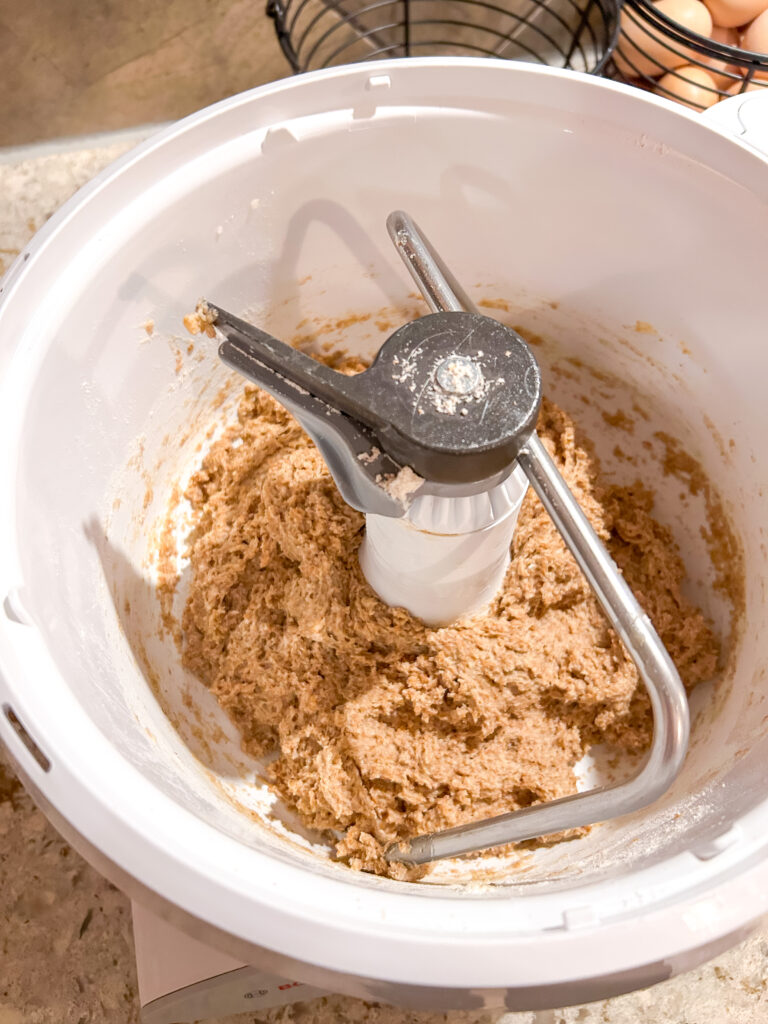
This rest allows the bran to absorb moisture fully and gives gluten time to relax. Many doughs that feel too dry at first will soften beautifully after just a few minutes.
Simple rest guideline:
- Rest dough or batter 10–15 minutes after initial mixing
- Re-evaluate texture before adding more liquid or flour
This step alone solves most conversion problems.
Mix and Knead More Gently
Fresh-milled flour develops gluten quickly—but that gluten is more delicate than modern all-purpose flour. Over-mixing or aggressive kneading can weaken the dough structure instead of strengthening it.
Adjust your mixing:
- Mix just until combined and smooth
- Knead shorter, not longer
- Stop before chasing a full windowpane
Gentle handling produces a better rise and a softer texture.
Shorten Rise and Fermentation Times
Fresh-milled flour ferments faster, especially in yeast and sourdough recipes. Letting dough rise too long can cause it to over-ferment and collapse.
Watch the dough—not the clock:
- Stop rising when the dough has increased about 50–75%, not doubled
- Expect shorter rise times than all-purpose flour recipes
Expect Slight Differences—and That’s Okay
Fresh-milled flour produces baked goods with:
- More flavor
- A slightly heartier crumb
- A more nourishing texture
While results may look a little different than all-purpose flour versions, they’re often more satisfying and flavorful.

Hydration Adjustments: How Much Liquid to Use When Converting Recipes
Hydration is the biggest difference between baking with all-purpose flour and fresh-milled flour. Because fresh-milled flour contains the full bran and germ, it absorbs liquid more slowly—and continues absorbing it as the dough rests. Understanding how to adjust liquid properly is the key to avoiding dry, dense, or overly sticky results.
Start With Less Liquid Than the Original Recipe
When converting an all-purpose flour recipe, always reduce the liquid at first.
General guideline:
- Start with 10–15% less liquid than the original recipe
- Hold back the remaining liquid and add it gradually only if needed
This prevents over-hydrating the dough before the flour has time to absorb moisture fully.
Let the Dough Rest Before Making Changes
Fresh-milled flour needs time to hydrate properly.
After mixing your ingredients:
- Cover the dough or batter
- Let it rest for 10–15 minutes
- Recheck the texture before adding more liquid or flour
Many doughs that feel too dry at first will soften naturally during this rest.
This rest period alone fixes more fresh-milled conversion issues than any other step.
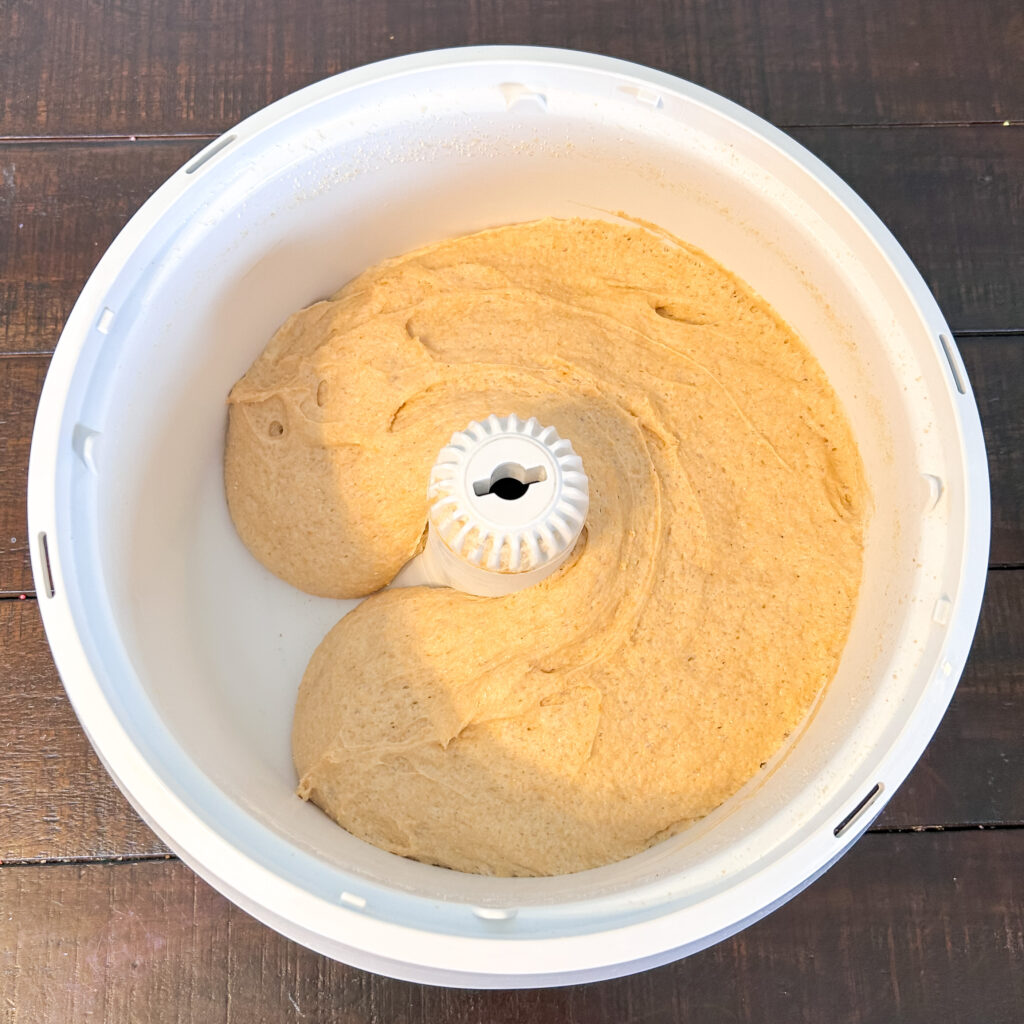
What the Dough Should Feel Like
Instead of relying on exact liquid measurements, use texture as your guide.
For most yeast and sourdough doughs:
- Soft
- Slightly tacky
- Stretchy but not sticky
- Easily shaped without tearing
For batters (pancakes, muffins, quick breads):
- Slightly thicker than all-purpose versions
- Spoonable, not runny
- Able to hold structure briefly before spreading
Adjusting Liquid by Recipe Type
Different recipes need different hydration levels when using fresh-milled flour.
Yeast breads & rolls
- Reduce liquid by 10–15%
- Expect a softer dough than AP recipes
- Avoid adding extra flour too quickly
Quick breads & muffins
- Reduce liquid slightly (5–10%)
- The batter should be thicker than usual
- Rest before baking for the best texture
Pancakes & waffles
- Reduce the liquid slightly
- The batter will thicken as it rests
- Add liquid 1 tablespoon at a time if needed
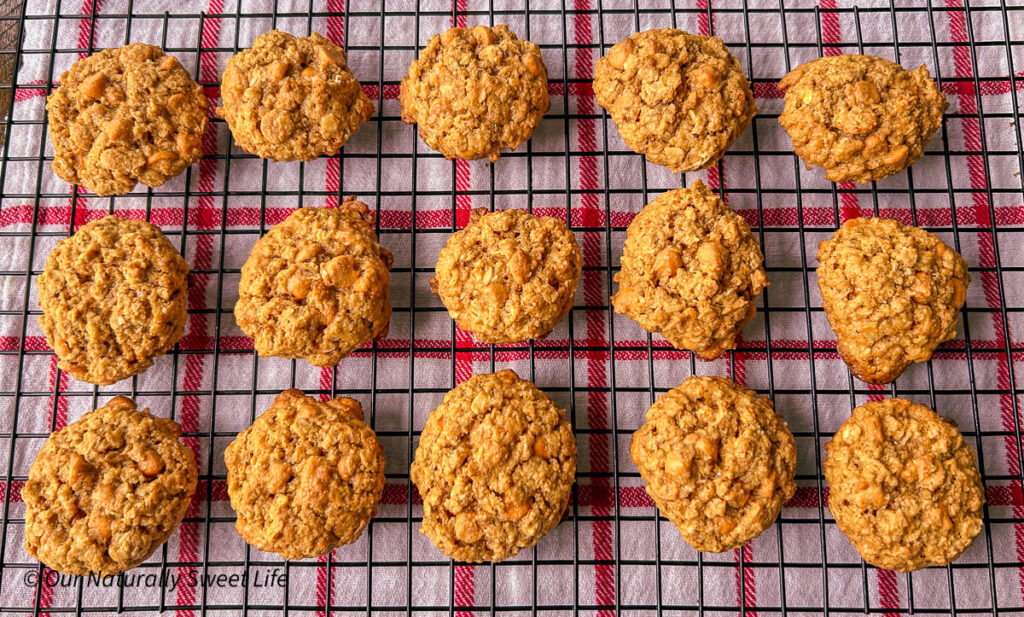
Cookies
- Usually need little to no liquid adjustment
- Dough should feel soft but not sticky
- Chill if spreading occurs
Add Liquid Slowly—Not Flour
If your dough feels dry after resting, resist the urge to add more flour.
Instead:
- Add liquid 1 tablespoon at a time
- Mix gently and reassess
- Stop as soon as the dough softens
Fresh-milled flour rewards patience—small adjustments go a long way.
Pro Tip
If a recipe contains eggs, honey, or yogurt, these contribute liquid too. You may need even less added water or milk than expected.
Weight vs Cups: Measuring Fresh-Milled Flour Correctly
When converting all-purpose flour recipes to fresh-milled flour, how you measure your flour matters just as much as how much you use. Fresh-milled flour is lighter, fluffier, and far less consistent than store-bought flour, which means cup measurements can easily lead to adding too much flour.
Why Cups Can Be Unreliable
All-purpose flour is finely milled, settled, and standardized. Fresh-milled flour, on the other hand:
- Has more air incorporated during milling
- Varies by grain type (wheat, spelt, einkorn, rye, etc.)
- Packs differently depending on freshness and grind size
Scooping flour directly from the bowl or container can compress it, adding far more flour than the recipe intended—resulting in dry, dense baked goods.
Weighing Flour Is the Most Accurate Method
Using a kitchen scale removes guesswork and gives you consistent results every time.
Best practice:
- Weigh flour in grams whenever possible
- Use the weight listed in the original recipe if available
- If converting from cups, use a standard gram reference
As a general guideline, 1 cup of fresh-milled flour weighs approximately 110–120 grams, depending on the grain and grind.
Converting Cup Measurements to Weight
If a recipe only lists flour in cups, use this as a starting point:
- 1 cup fresh-milled flour = 110–120 g
- 2 cups = 220–240 g
- 3 cups = 330–360 g
This range allows flexibility for different grains while keeping hydration balanced.
If You Must Use Cups
While weighing is best, you can still measure by cups successfully if done carefully.
Use this method:
- Fluff the flour gently
- Spoon flour into the measuring cup
- Level with a straight edge
- Never scoop directly from the container
This helps prevent overpacking and keeps hydration more accurate.
Grain Type Matters
Different grains behave differently when measured by volume.
- Hard wheat: Heavier and absorbs more liquid
- Spelt & einkorn: Lighter and softer, require less flour by weight
- Rye: Dense and thirsty, benefits greatly from weighing
When baking with ancient grains, weighing becomes even more valuable.
Bottom line:
If you want consistent, reliable results when baking with fresh-milled flour, use a scale whenever possible. It’s one of the simplest upgrades you can make—and it eliminates most conversion frustrations.

Common Conversion Mistakes (and Quick Fixes)
Even with the right guidelines, fresh-milled flour can feel tricky at first. If your dough or batter doesn’t look quite right, don’t panic—most conversion issues come down to a few simple mistakes that are easy to fix.
Mistake #1: Doing a 1:1 Flour Swap
Replacing all-purpose flour with fresh-milled flour cup for cup is the most common mistake—and the fastest way to end up with dense or dry results.
Quick fix:
- Convert using weight, not volume
- Use the conversion chart as a starting point
- Expect a slightly different texture than all-purpose flour
Mistake #2: Adding All the Liquid at Once
Fresh-milled flour absorbs liquid slowly. Adding the full amount of liquid immediately can make dough overly sticky or slack.
Quick fix:
- Start with 10–15% less liquid
- Let the dough rest before adjusting
- Add liquid 1 tablespoon at a time only if needed
Mistake #3: Skipping the Rest Period
Without a rest, fresh-milled flour hasn’t had time to hydrate fully—leading bakers to add unnecessary liquid or flour.
Quick fix:
- Rest dough or batter 10–15 minutes after mixing
- Recheck texture before making changes
- Trust that hydration improves with time
Mistake #4: Adding Extra Flour to Fix Stickiness
Sticky dough can feel wrong if you’re used to all-purpose flour, but adding flour too quickly often makes things worse.
Quick fix:
- Avoid adding flour unless absolutely necessary
- Use a lightly oiled surface or hands instead
- Focus on softness, not firmness
Mistake #5: Over-Kneading the Dough
Fresh-milled flour develops gluten faster—but that gluten is more delicate. Over-kneading can weaken the structure instead of strengthening it.
Quick fix:
- Knead gently and briefly
- Stop mixing once dough is smooth
- Do not chase a full windowpane
Mistake #6: Letting Dough Rise Too Long
Fresh-milled flour ferments faster, especially with yeast or sourdough. Over-proofing leads to collapse and dense results.
Quick fix:
- Watch the dough, not the clock
- Stop rises at 50–75% increase, not doubled
- Shorten fermentation times as needed
Mistake #7: Expecting Identical Results to AP Flour
Fresh-milled flour produces baked goods with a different look and texture. Expecting a perfect visual match can lead to unnecessary adjustments.
Quick fix:
- Focus on texture and flavor, not appearance
- Embrace a slightly heartier crumb
- Enjoy the deeper flavor and nutrition
If You’re Still Struggling
If something feels off, ask yourself:
- Did I let it rest?
- Did I measure by weight?
- Did I adjust slowly instead of reacting quickly?
Most fresh-milled baking problems are solved by less intervention, not more.
Frequently Asked Questions About Converting to Fresh-Milled Flour
Final Thoughts: Confidently Convert Any Recipe to Fresh-Milled Flour
Converting all-purpose flour recipes to fresh-milled flour doesn’t require complicated formulas or starting from scratch. Once you understand how fresh-milled flour absorbs liquid, why weighing matters, and how rest time changes everything, the process becomes simple and intuitive.
Fresh-milled flour brings more flavor, better nutrition, and a deeper connection to your ingredients—but it also asks you to slow down, observe, and bake by feel. With the guidelines in this post and a little practice, you’ll be able to convert nearly any recipe with confidence and consistency.
You don’t need perfection—just a solid starting point and the willingness to make small adjustments.
👉 Get the Free AP to Fresh-Milled Flour Conversion Chart
To make conversions easy and stress-free, I’ve created a free printable AP to Fresh-Milled Flour Conversion Chart you can keep right in your kitchen.
- Flour weight conversions
- Liquid adjustment guidelines
- Rest time reminders
- Beginner-friendly reference
Download the free printable below and start converting your favorite recipes with confidence today.
Related Topics:
Shop the Post
As an Amazon affiliate, I earn from qualifying purchases. This means that when you click on a link on this site and make a purchase, I may earn a small commission, which helps support the work of this blog. Rest assured, I only recommend products that I genuinely love and trust.
Grain Mills
Mixer
Wheat Berries
Country Life Natural Foods
Get 10% off your whole order using the code AMBER at checkout.
Great store to buy grains, rice, beans, lentils, and more! They also carry sourdough supplies, fermenting kits, and canning supplies. Along with Bosch mixers, Nutrimill mixers, and Nutrimill classic grain mills. Shop Now
Thank you this is a great resource!!
Thank you, I’m glad you enjoyed it!
Great info, great to have as a reference!
Thank you! Don’t forget to go grab your free conversion printable!
This is such a great guide for swapping to fresh milled flour! Bookmarked!😁
Thank you, I’m so glad you found it helpful!
What of the recipe has no water in the ingredients? How do you add more moisture?
With this situation you have 2 options. First option, you can increase Existing Liquids First. Before adding straight water, you can slightly increase what liquid is already there. For example, add a splash more milk or non-dairy milk, add 1–2 tablespoons yogurt, kefir, or sour cream, add 1 extra tablespoon oil or melted butter. Or the second option, you can add Water Slowly. If the dough feels dry, add 1 tablespoon of warm water at a time, mixing fully between additions. Most recipes only need 2–4 tablespoons extra liquid. Stop once the dough feels soft and pliable, not stiff. Hope this helps.
I absolutely loved this guide! I learned so much! Thank you for sharing this!
Love this, great information!
Thanks for this awesome guide on converting flour in recipes I’ll be saving this as a resource.
I don’t have a mill yet. Hopefully eventually. But I read through and it was all very interesting!
Great tips! There’s definitely a learning curve with switching over to fresh milled flour. This is helpful info that will shorten the trial and error time for folks. Thanks for sharing!
Yes, there definitely is a learning curve. That was my hopes with this post for people just starting out. The faster you understand what you are working with, the faster you can enjoy it!
These are some fantastic tips! Thank you for putting all of this into one succinct article.
Thank you! I’m so glad you found them helpful!
This is so helpful – I got a MockMill about six months ago and I’m just beginning to really make it part of my week/rhythm. Thank you so much!
That’s great! Yes, there is a bit of a learning curve but once you get it figured out you will never go back! We love our fresh flour, and it gives your baked goods a special touch with all the flavors from the different grain options!
These are all great tips! I just got a mill and I am still learning how to bake bread with FMF so this blog is so helpful! Thanks!
I’ve been trying to use more fresh milled flour in my kitchen. Thank you for the detailed guidelines!