
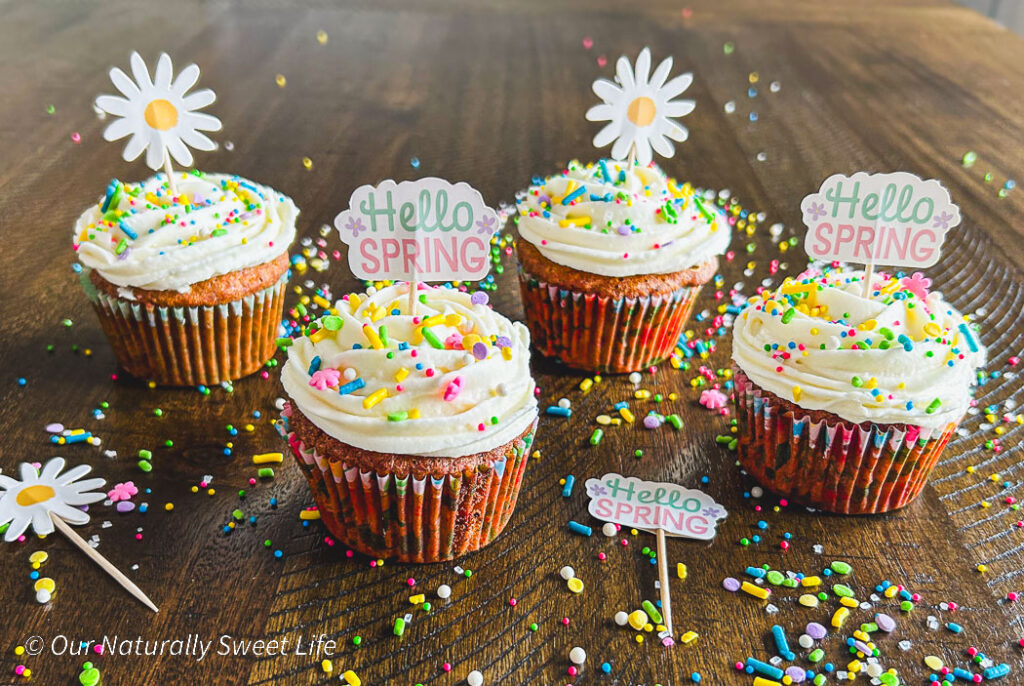
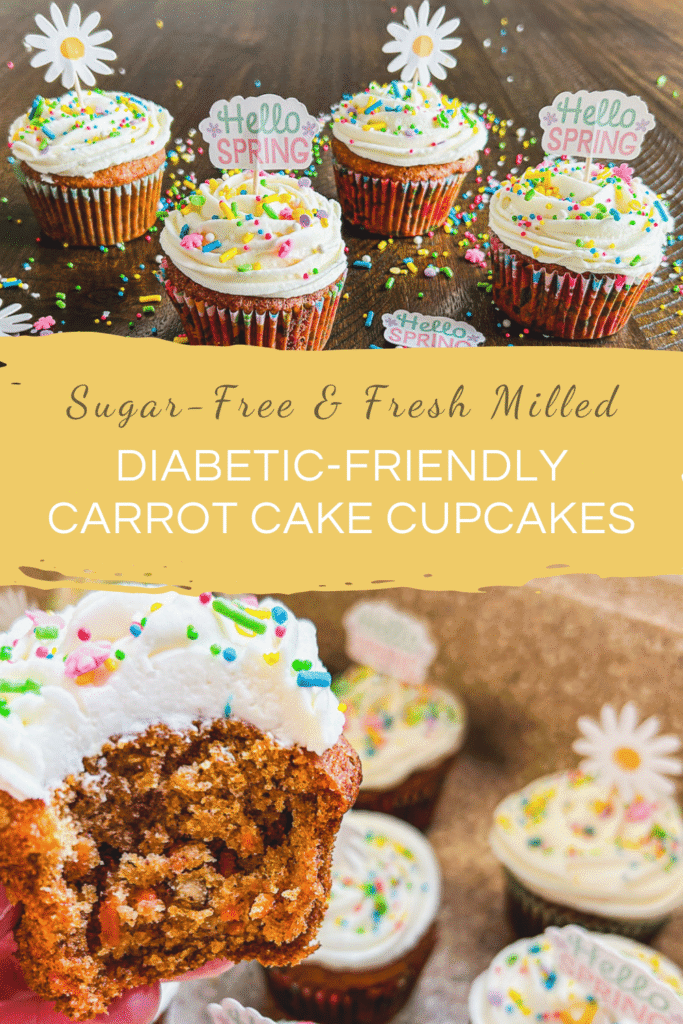
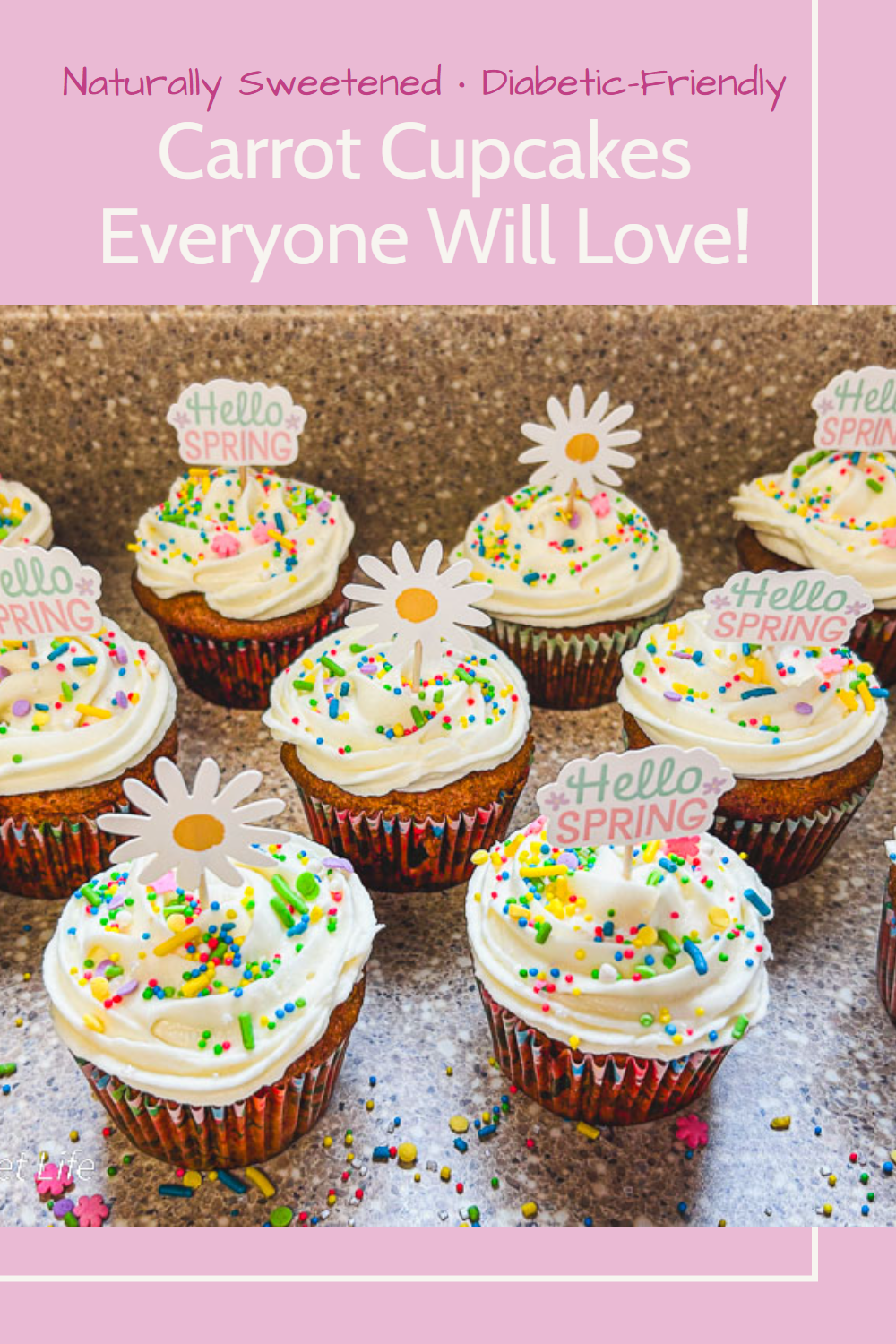
There’s just something about carrot cake in the springtime that feels right—especially when it’s homemade with fresh milled flour and naturally sweetened. These healthy carrot cake cupcakes are a springtime staple in our home and a true labor of love! They’re incredibly soft, full of warm spice, and completely free of refined sugar, making them a perfect treat for those managing diabetes or simply trying to cut back on sugar. Sweetened with wholesome alternatives and topped with a dreamy sugar-free cream cheese frosting, these cupcakes are as nourishing as they are delicious—ideal for Easter, brunches, or any sunny afternoon that calls for something sweet.
As an Amazon affiliate, I earn from qualifying purchases. This means that when you click on a link on this site and make a purchase, I may earn a small commission, which helps support the work of this blog. Rest assured, I only recommend products that I genuinely love and trust.
In our home, we make everything sugar-free because my youngest daughter lives with Type 1 Diabetes. Upon her diagnosis, we thought this was going to be a hard transition—but let me tell you, it’s completely possible to enjoy all your favorite treats without the blood sugar spikes! These cupcakes are a perfect example! By using natural, low-glycemic sweetener alternatives, we can still indulge in delicious desserts while keeping things balanced. Going sugar-free isn’t just for those with diabetes either—it’s a great option for anyone following a low-carb lifestyle, trying to reduce their calorie intake, or simply wanting to make healthier choices without sacrificing flavor. You won’t miss the sugar one bit!
Benefits Of Sugar-free
Balanced Blood Sugar Levels
Cutting out refined sugar helps prevent blood sugar spikes and crashes, which is especially important for people with diabetes or insulin resistance. Stable blood sugar means more consistent energy throughout the day and fewer cravings.
Better Energy & Mood
Without the rollercoaster of sugar highs and crashes, many people find they have more steady energy and improved mood. No more afternoon slumps!
Supports Weight Management
Many sugar-free alternatives are lower in calories and carbs, making them a helpful tool for those trying to lose weight or maintain a healthy weight—especially when paired with a balanced diet.
Improved Skin Health
Excess sugar has been linked to inflammation, which can show up as acne, dull skin, or other skin concerns. Reducing sugar can help your skin look and feel healthier.
Better Dental Health
Sugar is one of the leading causes of cavities and tooth decay. Going sugar-free is a great way to protect those pearly whites—especially for little ones!
Reduced Risk of Chronic Disease
A diet high in added sugar has been linked to increased risk of heart disease, Type 2 Diabetes, and fatty liver disease. Cutting back on sugar helps lower that risk and support long-term health.
Fewer Cravings
The less sugar you eat, the less your body craves it. Many people notice that once they go sugar-free, their taste buds reset—and naturally sweet foods like fruit start to taste even better.
Natural Sugar-Free Sweetener Alternatives for Baking
When baking sugar-free cupcakes, it’s important to use sweetener alternatives that not only taste great but also mimic the texture and sweetness of traditional sugar. Some of my favorite options include granular sweeteners (like monk fruit or allulose blends) for replacing white sugar, brown sugar alternatives for adding that rich, molasses-like depth, and powdered sweeteners for smooth, creamy frostings. These swaps allow you to keep all the flavor and texture you love—without the blood sugar spike. Whether you’re baking for someone with diabetes or just looking for a lower-carb treat, these sugar-free options make it easy to enjoy something sweet and wholesome.
Monk Fruit Sweetener
Monk fruit sweetener is one of those awesome, natural go-tos in my home kitchen—especially when I’m baking up something sweet without the sugar. It’s made from the luo han guo fruit and is super sweet—like, 100–250 times sweeter than regular sugar, which means a little goes a long way! Because it’s so potent, it’s usually blended with erythritol or allulose to make it easier to use in everyday baking. I love tossing it into cupcake batters, creamy frostings, or drizzling it into glazes—it works like a charm. Plus, it has a low glycemic index, so it’s diabetic-friendly and perfect for anyone trying to cut back on refined sugar while still enjoying homemade treats.
Stevia
Stevia is one of those sweeteners I always keep on hand in my cozy little kitchen—it’s plant-based and naturally sweet, made from the leaves of the Stevia rebaudiana plant. Since it’s super concentrated (we’re talking up to 200 times sweeter than sugar!), it’s usually blended with erythritol or another mellow sweetener to make it easier to use in baking. On its own, stevia can have a bit of a bite, so I like to mix it with other natural options to smooth out the flavor. It’s perfect for when you want to add sweetness without adding bulk, which makes it ideal for frostings, glazes, or those light, airy cupcake batters. Just a little bit goes a long way—sweet and simple, just how I like it!
Allulose
Allulose is one of my favorite sweeteners to bake with—it’s like a little magic ingredient! Found naturally in small amounts in figs, raisins, and maple syrup, it has a sweet, sugar-like taste and a texture that makes it feel just like the real thing. The best part? It’s got virtually no calories and doesn’t impact blood sugar, so it’s a great option for anyone looking to cut out the sugar without sacrificing flavor. I love using allulose in soft, moist cupcakes and smooth frostings because it gives the perfect consistency. Plus, it browns just like sugar, which is always a win in my book when I want that golden finish on my bakes!
Erythritol (naturally derived)
Erythritol isn’t exactly my go-to sweetener in the kitchen, mostly because of some of the unknown concerns still being researched. While it’s technically a sugar alcohol and found naturally in small amounts in fruits like grapes and melons, I’ve read up on a 2023 study that suggested a possible link between high levels of erythritol in the blood and an increased risk of clotting. Now, that research isn’t conclusive, and erythritol does have some perks like zero calories and no blood sugar spike, but with those concerns floating around, I personally only use it when I really have to. In my natural-based baking, I much prefer sweeteners like monk fruit or allulose, which feel a bit more straightforward and still give me that lovely sweet touch without the worry. It’s all about choosing what feels best for your kitchen and your people!
Yacon Syrup (in moderation)
Yacon syrup is one of those fun little secret ingredients I love keeping in my home kitchen stash! It’s extracted from the root of the yacon plant and has this mild, caramel-y sweetness that’s also packed with prebiotics (hello, happy gut!). Now, it’s not the best for high-heat baking—it can get a little fussy—so I like to use it sparingly in glazes, drizzles, or even a swirl on top of a finished cupcake for a little extra flair. It’s low glycemic, which is great, but it does contain some natural sugars, so if you’re going for strictly sugar-free, just treat it like a special-occasion sweetener.
Ingredients To Make Sugar-free Fresh Milled Flour Carrot Cake Cupcakes
Carrot Cake Ingredients
- 314g fresh milled flour (I used soft white wheat)
- 1 cup (200g) Monfruit sweetener with Allulose (100% pure monkfruit, Wholesome allulose, stevia, monkfruit with erythritol)
- 1 cup (200g) Truvia brown sugar (Monkfruit brown, Swerve brown, or coconut sugar)
- 1.5 tsp baking soda
- 1 tsp baking powder
- 1 tsp salt
- 2 tsp cinnamon
- ½ tsp nutmeg
- 1.5 cups (360g) avocado oil (olive oil, coconut oil, or vegetable oil)
- 4 large eggs
- 3 tsp vanilla extract
- 4 Tbsp low carb milk
- 3 cups (340g) grated carrots or pre-shredded carrots
- 1 cup (120g) Chopped walnuts
Cream Cheese Frosting Ingredients
- 2 blocks of cream cheese (softened, room temperature)
- ¾ bag (375g) monk fruit powdered sugar (Allulose powdered, stevia powdered)
- 2 tsp vanilla extract
- 1 stick salted butter (softened, room temperature)
Step-By-Step Instructions
Homemade Carrot Cake Cupcakes Instructions
- Preheat oven temperature to 350F and line a 24-count muffin pan with paper cupcake liners
- Whisk together dry ingredients. Flour, sugars, baking powder, baking soda, salt, cinnamon, and nutmeg into the bowl of a stand mixer (or large mixing bowl using a handheld electric mixer).
- Stir in wet ingredients starting with the oil.
- Then add eggs, one at a time, pausing to scrape down the sides of the bowl after each addition. Beat until well combined.
- Stir in vanilla extract and milk.
- Use a food processor to chop down your nuts and a box grater to grate your carrots, if you are not using pre-shredded carrots.
- Add carrots and nuts. Stir until combined.
- Evenly divide cupcake batter into prepared muffin cups, filling each ¾ of the way full. Transfer to the oven and bake at 350F for 20 minutes or until a toothpick inserted into the center of the cake comes out clean.
- Allow to cool in the baking tin for at least 5 minutes. Carefully remove from muffin pans and place on a cooling rack (wire rack) to cool completely before decorating with cream cheese frosting
Homemade Cream Cheese Frosting Instructions
- Add softened butter to a stand mixer (or medium bowl using a handheld electric mixer), mix to fluff, then add the softened cream cheese. Beat until creamy and incorporated. Scrape the sides as needed. (Don’t overmix, or the cream cheese will get too soft.)
- Add vanilla. Briefly mix to combine.
- Then, add 2 cups of the powdered sugar (250g). Slowly mix until combined. Continue adding powdered sugar 1/2 cup (62g) at a time until the desired sweetness, scraping sides as needed.
- Once the cake has cooled completely, you can ice and decorate as desired.
Frosting Tip
If frosting is too thick, add 1 Tbsp of low-carb milk until you reach the right consistency.
Storage Tips for Fresh Milled Flour Carrot Cake Cupcakes
1. Room Temp (Short Term)
Unfrosted cupcakes can be stored at room temperature for up to 2 days in an airtight container. Fresh milled flour tends to retain moisture beautifully, so it’ll stay soft and tender.
Cream Cheese is Perishable
Cream cheese is made from dairy and needs to be kept cold to prevent bacterial growth. According to food safety guidelines (like from the USDA), cream cheese frosting shouldn’t sit out for more than 2 hours, especially in warm or humid kitchens.
2. Fridge (Frosted or Longer Storage)
Once you add that dreamy cream cheese frosting, pop them in the fridge—they’ll last up to 5 days. Store them in an airtight container to keep them from drying out, and let them come to room temperature before serving for the best flavor and texture.
3. Freezer Friendly
These cupcakes freeze like champs—frosted or unfrosted! Just place them on a tray to flash freeze, then transfer to a sealed container or freezer bag. For best results, I like to wrap the cupcakes in plastic wrap before placing them in an air-tight container. They’ll keep for up to 3 months. When you’re ready to eat, thaw them in the fridge overnight and let them warm up on the counter.
Recipe Tip
Fresh milled flour continues to mellow in flavor and soften baked goods over time, so these cupcakes are even better the next day. Perfect excuse to bake ahead, right?
Baking Pan Alternatives
- Cupcakes: baking time is 18-22 minutes.
- 9×9 round cake pans: bake for about 5-10 minutes less.
- 9×13 Rectangle Pan: bake for 5-10 minutes longer.
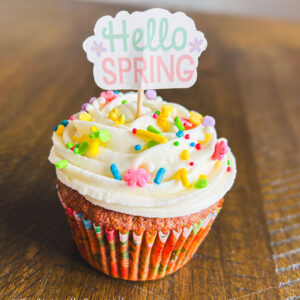
Carrot Cake Cupcakes (Sugar-free) with Fresh Milled Flour

Equipment
- 24 Muffin Tin
Ingredients
Carrot Cake Ingredients
- 314 grams fresh milled flour I used soft white wheat
- 1 cup 200g Monfruit sweetener with Allulose 100% pure monkfruit, Wholesome allulose, stevia, monkfruit with erythritol
- 1 cup 200g Truvia brown sugar Monkfruit brown, Swerve brown, or coconut sugar
- 1½ tsp baking soda
- 1 tsp baking powder
- 1 tsp salt
- 2 tsp cinnamon
- ½ tsp nutmeg
- 1½ cups 360g avocado oil olive oil, coconut oil, or vegetable oil
- 4 large eggs
- 3 tsp vanilla extract
- 4 Tbsp low carb milk
- 3 cups 340g grated carrots or pre-shredded carrots
- 1 cup 120g Chopped walnuts
Cream Cheese Frosting Ingredients
- 2 blocks of cream cheese softened, room temperature
- 375 grams monk fruit powdered sugar Allulose powdered, stevia powdered
- 2 tsp vanilla extract
- 1 stick salted butter softened, room temperature
Instructions
Homemade Carrot Cake Cupcakes Instructions
- Preheat oven temperature to 350F and line a 24-count muffin pan with paper cupcake liners
- Whisk together dry ingredients. Flour, sugars, baking powder, baking soda, salt, cinnamon, and nutmeg into the bowl of a stand mixer (or large mixing bowl using a handheld electric mixer).
- Stir in wet ingredients starting with the oil.
- Then add eggs, one at a time, pausing to scrape down the sides of the bowl after each addition. Beat until well combined.
- Stir in vanilla extract and milk.
- Use a food processor to chop down your nuts and a box grater to grate your carrots, if you are not using pre-shredded carrots.
- Add carrots and nuts. Stir until combined.
- Evenly divide cupcake batter into prepared muffin cups, filling each ¾ of the way full. Transfer to the oven and bake at 350F for 20 minutes or until a toothpick inserted into the center of the cake comes out clean.
- Allow to cool in the baking tin for at least 5 minutes. Carefully remove from muffin pans and place on a cooling rack (wire rack) to cool completely before decorating with cream cheese frosting
Homemade Cream Cheese Frosting Instructions
- Add softened butter to a stand mixer (or medium bowl using a hand held electric mixer), mix to fluff, then add the softened cream cheese. Beat until creamy and incorporated. Scrape the sides as needed. (Don’t overmix, or the cream cheese will get too soft.)
- Add vanilla. Briefly mix to combine.
- Then, add 2 cups of the powdered sugar (250g). Slowly mix until combined. Continue adding powdered sugar 1/2 cup (62g) at a time until the desired sweetness, scraping sides as needed.
- Once the cake has cooled completely, you can ice and decorate as desired.
Notes
Shop the Post
As an Amazon affiliate, I earn from qualifying purchases. This means that when you click on a link on this site and make a purchase, I may earn a small commission, which helps support the work of this blog. Rest assured, I only recommend products that I genuinely love and trust.
- Monk fruit sweetener, powdered
- Monk fruit sweetener with allulose, granulated
- Truvia brown sugar
- Soft white wheat
- 24-cup Muffin Pan
Country Life Natural Foods
Get 10% off your whole order using the code AMBER at checkout.
Great store to buy grains, rice, beans, lentils, and more! They also carry sourdough supplies, fermenting kits, and canning supplies. Along with Bosch mixers, Nutrimill mixers, and Nutrimill classic grain mills. Shop Now
I can’t wait to try your recipe. We avoid sugar as much as possible but Darling does like sweet treats so this will be perfect.
Thanks for sharing.
http://www.hedgewitchcottage.com
Peace, Kirsten
These would be perfect! I brought them to Easter, and no one could tell they were sugar free!