

Managing diabetes means constantly thinking about our food choices—from what’s on our plate to what’s in the pantry. One big question many of us face is this: What’s the best flour for blood sugar control? In this guide, we’ll explore the top flour options for a diabetes-friendly diet. You’ll learn how whole grains, nut flours, and low-carb choices compare so you can make confident, informed decisions in your kitchen.
As an Amazon affiliate, I earn from qualifying purchases. This means that when you click on a link on this site and make a purchase, I may earn a small commission, which helps support the work of this blog. Rest assured, I only recommend products that I genuinely love and trust.

I’m a mama walking the road of Type 1 Diabetes with my daughter. I’ve spent countless hours reading labels, researching flours, and testing recipe after recipe. I want to find what truly works for our family. Spoiler: it’s not your typical white flour or boxed cake mix.
Now, let’s dive into the 10 best flours I have found that work best for type 1 diabetes. In this guide, you’ll find real-life tips and honest advice. I’m sharing with a heart full of hope. Even with diabetes, your family can enjoy delicious, healthy meals—including cookies and homemade bread!
Why the Right Flour Makes All the Difference
If you’re living with diabetes—whether your own or your child’s—you know how much food affects blood sugar. Managing diabetes isn’t just about avoiding sugar. It’s about understanding how ingredients like flour impact glucose levels.
Traditional flours, especially white and processed wheat, rank high on the glycemic index. They can cause rapid blood sugar spikes, energy crashes, and tricky insulin adjustments. That’s why choosing the right flour matters so much.
Many diabetic-friendly flours—like whole grain or nut-based—are rich in fiber, protein, and healthy fats. These slow digestion and help keep energy steady. They’re better for blood sugar and full of nutrients that support overall health.
As a mama on this journey with my daughter, I’ve learned the power of choosing nourishing ingredients. With creativity and care, we can still enjoy our favorite foods. Pancakes on Saturday mornings, fresh muffins for the week, or warm bread at dinner—these moments matter. Using flours that work with our bodies makes all the difference. Once you try it, it’s hard to go back.

How Flours Affect Blood Sugar
Here’s a quick look at how flour choices can impact your blood sugar:
- Glycemic Index (GI): This measures how quickly a food raises blood glucose. High-GI = fast spikes. High GI foods cause fast spikes; low GI foods digest slowly and support stable blood sugar levels.
- Fiber content: The higher the grams of fiber, the better for slow digestion and a gentler glucose response.
- Protein and healthy fats: These nutrients slow down how quickly carbs break down and improve insulin sensitivity.
- Processing: The more refined a flour is, the more it behaves like sugar in the body.
Whole Grain and Low-Glycemic Flour Options
Let’s take a close look at some of the best flour options. We’ll start with those rich in fiber and vitamins. These flours also help slow digestion to prevent blood sugar spikes.
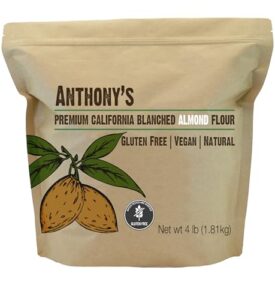
1. Almond Flour
Almond flour is one of my favorite go-to options. It feels indulgent but still supports our family’s dietary needs. Made by finely grinding blanched almonds, it’s naturally gluten-free. This flour is a staple in low-carb and grain-free baking—and for good reason.

From a diabetes perspective, almond flour checks so many boxes. It’s low in carbohydrates, which helps keep blood sugar stable. It’s also packed with healthy monounsaturated fats, plant-based protein, and key nutrients like vitamin E, magnesium, and potassium.. These nutrients don’t just fill in the gaps; they actively support insulin sensitivity, heart health, and even reduce inflammation. The American Diabetes Association says that choosing foods with healthy fats—like those in almonds, can improve blood sugar control. Including these fats in a balanced diet makes a meaningful difference.
What really sets almond flour apart is its protein content. Protein helps stabilize blood sugar by slowing digestion and promoting fullness. It’s also essential for building and repairing tissue, which is especially important for anyone managing a chronic condition like diabetes.
As a mama who bakes, I love how versatile almond flour is. It brings a moist, tender texture and a subtle nuttiness to recipes. Whether you’re whipping up cookies, muffins, pancakes, or even a crispy crust for dinner, almond flour has a place in your kitchen. You can even use it as a coating for meats or a thickener in sauces.
That said, it doesn’t behave exactly like your traditional flour—so a little adjustment goes a long way. I often mix almond flour with oat flour or flaxseed meal to balance the texture and help baked goods hold together better. You may also need extra binding agents like eggs, depending on the recipe.
- Why almond flour is a good choice: Low in carbs, rich in healthy fats, and high in protein content.
- Health benefits: Supports insulin sensitivity, aids in weight management, and helps maintain cholesterol levels.
- Uses: Great for cookies, muffins, pancake mixes, and crusts.
Tip
Combine with other flours: Mix with oat flour, coconut flour, or flaxseed meal to balance the texture and flavor.
2. Fresh Milled Whole Wheat Flour
If you’ve milled your own wheat berries at home, you know baking with fresh milled whole wheat flour is incredibly rewarding. The aroma, the flavor, the texture—it’s all so vibrant and alive compared to anything off a store shelf. Beyond taste and texture, fresh milled flour is a smart choice for managing diabetes and supporting your family’s nutrition.

Unlike refined white flour, which loses the bran and germ during processing, whole wheat flour uses the entire wheat kernel: bran, germ, and endosperm. That means you’re getting all the fiber, vitamins, minerals, and healthy plant compounds nature intended. When you mill it fresh, those nutrients are at their peak. This includes B vitamins, antioxidants, and natural oils that support energy, digestion, and overall wellness.
For those managing blood sugar, this matters more than you might think. Whole wheat flour has a lower glycemic index (GI) than white flour. This means it digests more slowly and causes a gentler rise in blood glucose. The fiber content is key here—it helps slow carbohydrate absorption, stabilize blood sugar levels, and support insulin sensitivity. Plus, because it still contains healthy fats and protein, fresh milled flour helps keep you fuller, longer.
This flour is hearty and flavorful, with a slight nuttiness. It adds depth to sandwich bread, dinner rolls, muffins, waffles, and pancakes. It creates a satisfying crumb that’s both filling and full of character. If you’re just getting started with whole wheat baking, check out my post on Converting All-purpose Flour Recipes to Fresh Milled Flour and The Ultimate Guide on Fresh Milled Flour.
As someone who mills my own flour at home and has a daughter with Type 1 diabetes, I’ve found fresh milled whole wheat truly empowering. It lets us enjoy baked goods with confidence. We support balanced blood sugars without giving up the comfort and joy of homemade food.
- Why fresh milled flour is a better choice than white flour: More nutritional value, better for blood glucose levels.
- Health benefits: Helps with carbohydrate intake management and insulin resistance.
- Use in: Breads, muffins, waffles, and healthy snacks.
3. Chickpea Flour
Chickpea flour—also called gram flour or besan—is made from finely ground garbanzo beans. It’s quickly become one of my favorite flours for diabetic-friendly baking. If you’re on a journey toward making intentional swaps in your kitchen, this one is a must-have.
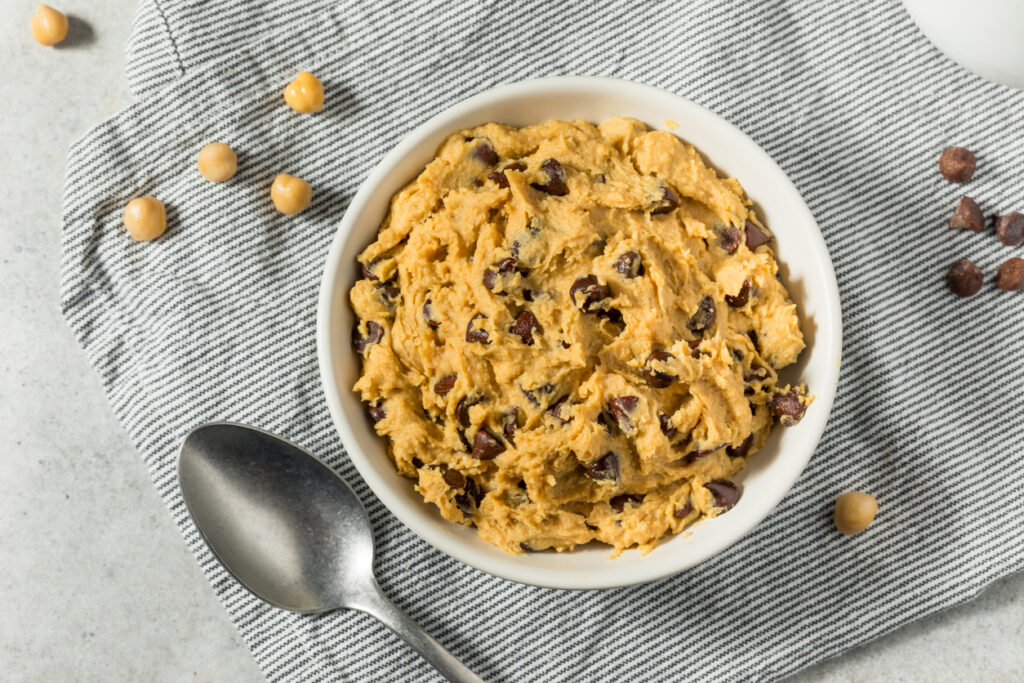
Why? Because, chickpea flour is a total powerhouse when it comes to meeting your family’s dietary needs. It’s naturally gluten-free, low on the glycemic index, and rich in both protein and fiber.
But the benefits go even deeper. Chickpea flour is packed with important vitamins and minerals like folate, iron, magnesium, and zinc. These nutrients support energy, immune function, and bone health—something we all want to protect for ourselves and our kids. Chickpeas are also rich in antioxidants, which help reduce inflammation and protect against chronic health issues.
Chickpea flour has a slightly earthy, nutty taste that adds depth and warmth to whatever you’re making. It’s incredibly versatile: use it to whip up savory flatbreads or even noodles. It also works great as a thickener for soups and sauces. Plus, it acts as a binding agent in veggie burgers, meatballs, and grain-free muffins. And yes—you can absolutely use it in sweet bakes too! Just pair it with other flours like oat or buckwheat to balance out its bold flavor.
- Why chickpea flour is a great alternative: Gluten-free, high in dietary fiber and protein, with a naturally low GI.
Health benefits: Supports stable blood sugar levels, helps reduce cravings, and lowers the risk of insulin resistance. - Use in: Flatbreads, fritters, baked savory goods, or thickening soups.
Tip
Combine with other flours: Mixing chickpea flour with oat flour or flaxseed meal softens its earthiness. It also gives baked goods a softer crumb.
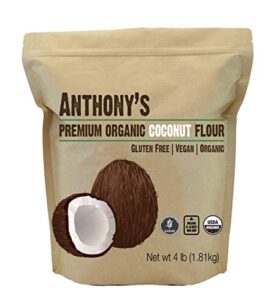
4. Coconut Flour
Coconut flour is a unique flour made from dried coconut meat, finely ground into a soft, naturally sweet powder. If you want a low-carb, diabetic-friendly option with great flavor and nutrition, this one deserves a spot in your pantry.

One of coconut flour’s biggest strengths is its low net carb content. It’s very high in dietary fiber. This slows sugar absorption into the bloodstream and helps manage blood sugar better.
Beyond fiber, coconut flour is also rich in healthy fats, particularly medium-chain triglycerides (MCTs). These fats are unique because they’re quickly absorbed and converted into energy, rather than being stored as fat. MCTs may help with weight management and improve insulin sensitivity—two key concerns for stabilizing blood sugars naturally. Coconut flour also contains protein, iron, and trace minerals, giving your recipes a gentle nutritional boost.
Baking with coconut flour can take a little practice. It’s highly absorbent—much more than other flours. So, you usually use less and increase the liquids in your recipe. Often, recipes using coconut flour call for extra eggs or another binding agent to maintain moisture and structure. But don’t let that scare you off—it’s totally worth the learning curve.
Coconut flour works beautifully in sweet treats like muffins, pancakes, cakes, and low-carb cookies. It’s also a great option for savory dishes like breaded chicken or grain-free wraps. Its mild coconut flavor adds a light, tropical twist without overpowering. This makes it a fun and versatile flour to experiment with.
- Why coconut flour is a good option: Low in net carbs and high in grams of fiber.
- Health benefits: Supports gut health, encourages slow digestion, and helps with better blood sugar management.
- Use in: Cakes, muffins, pancakes, and low-carb cookies.
Tips
Combine with other flours: Use it with almond or oat flour to balance moisture, texture, and flavor—especially in pancakes or snack bars.
Caution: Use in small amounts and adjust liquids accordingly.
5. Oat Flour
Oat flour is made from finely ground oats (yes, you can even make it at home by blending rolled oats!). This fiber-rich, nutrient-dense flour works beautifully in a wide variety of baked goods.
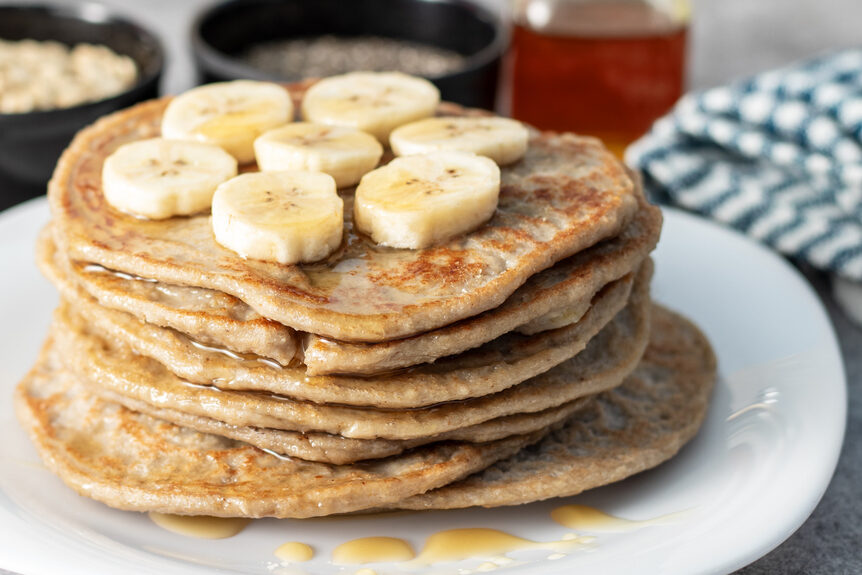
Oats do contain carbohydrates, but they affect blood sugar more gently than refined flours. Oat flour is especially helpful in this way. It’s packed with soluble fiber, including beta-glucan, which slows digestion and helps prevent blood sugar spikes. This makes oat flour a smart, satisfying option for diabetics looking to enjoy homemade treats without compromising blood sugar management.
Beyond blood sugar support, oat flour has a lot more to offer. It’s rich in key nutrients like manganese, phosphorus, magnesium, and iron—all essential for energy, metabolism, and immune health. Oats also contain avenanthramides, powerful antioxidants that help reduce inflammation and support heart health.
Oat flour has a light, mildly sweet flavor and a smooth, soft texture. It’s a dream to work with in the kitchen. It adds tenderness and moisture to everything from muffins and cookies to pancakes, quick breads, and even breakfast bars. You can also use it to thicken soups and stews or as a gluten-free coating for chicken and fish.
- Why oat flour is a better choice: Contains beta-glucan fiber, which improves insulin sensitivity.
- Health benefits: Supports cholesterol levels, promotes weight management, and offers lasting fullness.
- Use in: Muffins, breads, cookies, and pancakes.
Tips
Certified gluten-free oats: Oat flour is naturally gluten-free. But if you have celiac disease or gluten sensitivity, choose certified gluten-free oats to avoid cross-contamination during processing.
Add a binding agent: Since oat flour lacks gluten, you might need to add a binding agent like eggs or flaxseed meal, depending on your recipe.
6. Buckwheat Flour
Don’t let the name throw you off—buckwheat flour isn’t related to wheat at all. Despite its name, buckwheat is actually a seed from a flowering plant. It’s completely gluten-free and safe for those with celiac disease or gluten intolerance. It’s also a great option for anyone wanting a naturally nutrient-dense flour.

Buckwheat flour is rich in dietary fiber, plant-based protein, and antioxidants. Helping aid in blood sugar support. Buckwheat supports blood sugar levels and helps lower cholesterol. It’s rich in rutin, a powerful antioxidant that boosts heart health and improves circulation. It also provides magnesium, iron, and zinc—minerals essential for energy, immune function, and blood sugar regulation.
Buckwheat flour has a bold, earthy flavor that pairs especially well with hearty, rustic recipes. It adds a slightly nutty, toasted flavor to baked goods. This makes it great for pancakes, crepes, quick breads, muffins, and crackers.
- Why buckwheat is a great choice: High in fiber, protein, and antioxidants.
- Health benefits: Helps lower blood sugar, promotes slow digestion, and is good for cholesterol levels.
- Use in: Pancakes, crepes, muffins, or breads.
Tips
Dense on its own: Buckwheat flour can be dense alone. For a lighter texture, mix it with oat flour or almond flour. This not only softens the flavor but can also improve the rise and structure in gluten-free recipes
Add extra binding agents: Adding extra binders like eggs or ground flaxseed helps when baking without wheat.
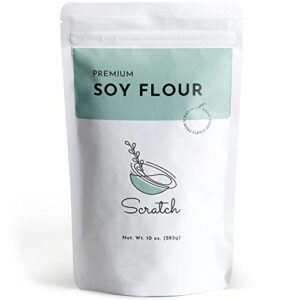
7. Soy Flour
Soy flour is a hidden gem that often goes unnoticed. It’s especially great for managing blood sugar and boosting plant-based protein in baking.

Soy flour is made from finely ground roasted soybeans. It’s naturally low in carbs and high in protein. That makes it a smart choice for people with diabetes or anyone on a low-glycemic, low-carb, or high-protein diet.
What makes soy flour stand out is its ability to promote lasting fullness, helping you feel satisfied longer between meals. This can be especially beneficial for preventing blood sugar dips and supporting sustainable weight management. It also contains key nutrients like iron, calcium, magnesium, and B vitamins. These support metabolic health, strong bones, and energy production. That’s especially important for anyone living with Type 1 or Type 2 diabetes.
Soy flour has a mildly nutty, slightly beany flavor that blends well into both sweet and savory dishes. It adds a rich, dense texture to baked goods. Use it in breads, muffins, pancakes, and low-carb cookies. It also works great as a thickener for sauces, gravies, and soups. This boosts nutrition without adding extra carbs.
- Why soy flour is a good option: Low in carbs, high in protein content, and supports better blood sugar control.
- Benefits: prevents blood sugar dips and supports weight management
- Use in: Baked goods, thickening sauces, and protein-enhanced recipes.
Tips
Heavy on its own: Soy flour is naturally gluten-free, but can be a bit heavy on its own. For best results, mix soy flour with whole wheat, oat, or almond flour. This lightens the texture while keeping the protein benefits.
More liquid: Because soy flour has strong protein, you might need to add more liquid or fat to your recipes for balance.
8. Quinoa Flour
Quinoa flour is a true nutritional powerhouse, made by finely grinding whole quinoa seeds. It’s no wonder it’s becoming a staple in gluten-free and diabetic-friendly kitchens. It keeps all the grain’s natural nutrients. This makes it a smart and wholesome alternative to traditional wheat flours.
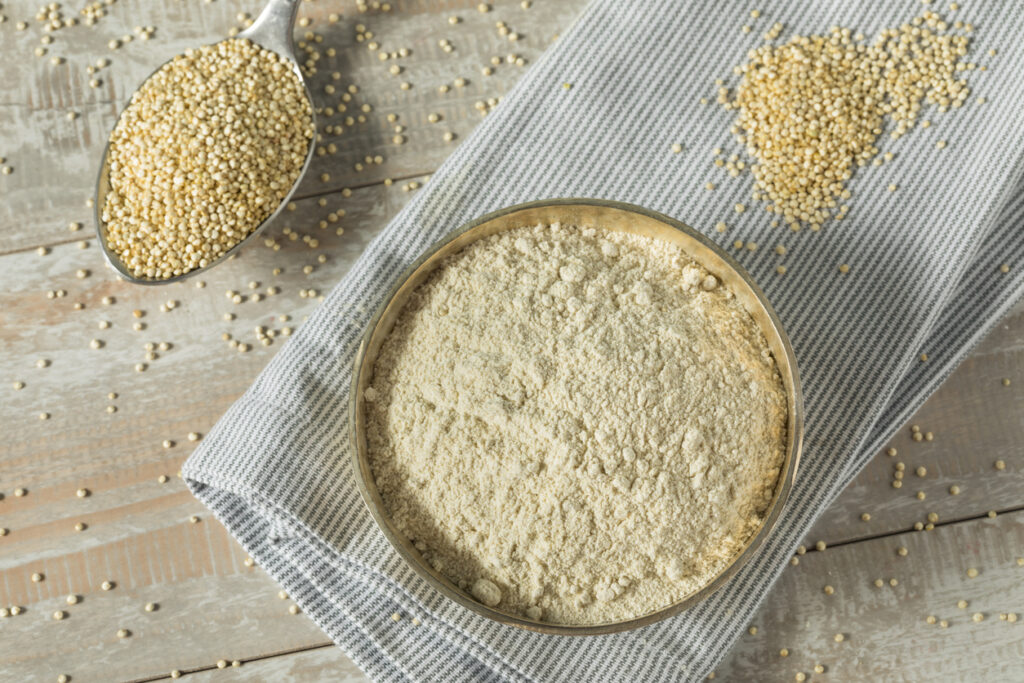
Quinoa flour is special because it has all nine essential amino acids. This makes it a complete plant-based protein. That’s rare for grains.
Quinoa flour is naturally gluten-free. It’s also rich in dietary fiber. This helps digestion and supports a low glycemic response.
Quinoa flour offers more than that. It provides magnesium, iron, B vitamins, phosphorus, and antioxidants. These nutrients support metabolism, immune function, and heart health. They are key for a diabetes-friendly lifestyle.
Quinoa flour has a light, slightly nutty, earthy taste. It works beautifully in both sweet and savory dishes. You can use it to make muffins, quick breads, gluten-free pancakes, crusts, and energy bars. It’s a great flour for high-protein snacks. Especially helpful when making blood sugar–balanced treats for your family.
- Why quinoan flour is a great alternative: Nutrient-dense, gluten-free, and high in dietary fiber.
- Health benefits: Supports insulin sensitivity and blood sugar control.
- Use in: Gluten-free baking, energy bars, and muffins.
Tip
Quinoa flour can sometimes have a slightly bitter aftertaste due to the natural saponins in the quinoa seed coat. Look for pre-rinsed or toasted quinoa flour. Or toast it yourself lightly in a dry skillet. This helps mellow the flavor before baking.
9. Amaranth Flour
Amaranth flour may be small, but it’s packed with nutrition. It’s great for blood sugar–friendly baking. This naturally gluten-free flour comes from ground amaranth seeds. These tiny grains were prized for centuries by ancient cultures like the Aztecs. Today, it’s gaining popularity for its rich nutrient profile and gentle effect on blood sugar levels.

One of the biggest advantages of amaranth flour is its high mineral content. It’s especially rich in calcium, magnesium, iron, and phosphorus. These nutrients support strong bones, healthy muscles, and overall metabolic balance. Magnesium, in particular, helps regulate blood sugar and improve insulin sensitivity. That makes amaranth flour a smart choice for managing Type 1 or Type 2 diabetes.
Amaranth is a great source of plant-based protein. It includes lysine, an essential amino acid often missing in other grains. This protein helps slow glucose release during digestion. That means fewer blood sugar spikes and longer-lasting energy. It’s a win for stable moods and fewer cravings.
Amaranth flour has a slightly earthy and nutty flavor with a hint of sweetness. It pairs beautifully with other gluten-free flours like oat, almond, or quinoa, and adds both structure and depth to recipes. Because it’s naturally dense, amaranth flour is best used in combination with lighter flours for optimal texture.
You can use amaranth flour in pancakes, crackers, muffins, and grain-free quick breads. It also works wonderfully in savory pie crusts, flatbreads, or as part of a flour blend in gluten-free baking. It’s especially useful when you want to create higher-protein, higher-fiber snacks without using wheat.
- Why amaranth flour is a better option: Naturally gluten-free and loaded with essential nutrients.
- Benefits: supports bone health, muscle function, and overall metabolic balance while regulating blood sugars and insulin sensitivity.
- Use in: Pancakes, crackers, or grain-free baked goods.
Tips
Start with a small amount: Use amaranth flour for up to 25% of your flour blend in recipes. It works especially well for fluffy or light baked goods like muffins or cakes.
Combine with other flours: Works best when mixed with a lighter, more absorbent flour like oat or coconut.
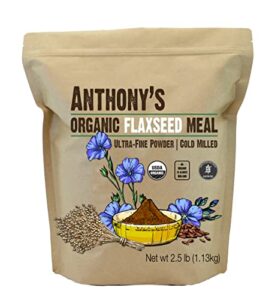
10. Flaxseed Meal
Flaxseed meal is made by grinding whole flaxseeds into a fine powder. It’s a simple pantry staple that delivers big nutrition—especially for managing diabetes. Low in carbs and rich in healthy fats, plant protein, and fiber, it’s a great addition to baking and everyday meals.
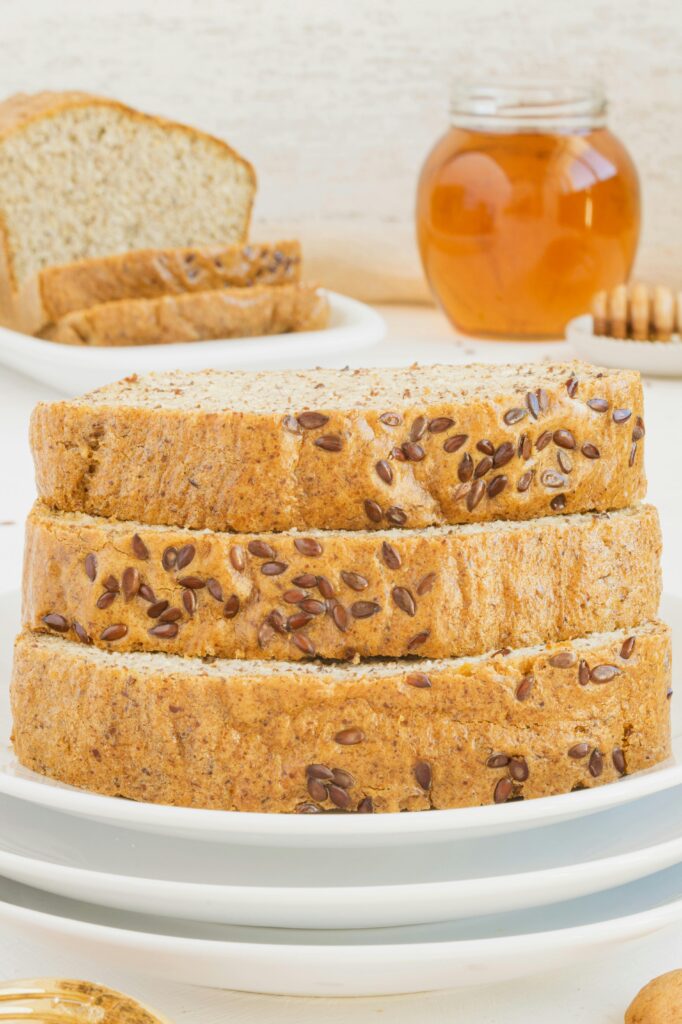
One of flaxseed meal’s standout features is its high content of omega-3 fatty acids, particularly ALA (alpha-linolenic acid). These healthy fats have anti-inflammatory benefits and support heart health—especially important for those with diabetes. Adding flaxseed meal can help improve heart function, lower triglycerides, and reduce diabetes-related risks.
But the benefits don’t stop there. Flaxseed meal is also incredibly rich in dietary fiber, offering a perfect balance of soluble and insoluble fibers. Soluble fiber slows digestion and sugar release into the bloodstream. This helps stabilize blood glucose and prevents frustrating highs and lows. Insoluble fiber, on the other hand, promotes digestive regularity and supports gut health—another essential piece of the wellness puzzle.
Flaxseeds are rich in lignans, strong antioxidants that may balance hormones, reduce inflammation, and protect against chronic disease. Flaxseed meal also offers key nutrients like magnesium, phosphorus, copper, and vitamin B1 (thiamine). These nutrients help fuel your body with lasting energy and support healthy metabolism.
In the kitchen, flaxseed meal is a versatile powerhouse. It has a warm, slightly nutty flavor that blends beautifully into baked goods like muffins, pancakes, breads, and low-carb cookies. You can also stir it into smoothies, oatmeal, homemade granola, or yogurt for an easy nutrient boost.
- Why flaxseed meal is a great alternative: Contains soluble and insoluble fibers and omega-3 fatty acids
- Health benefits: promotes digestive regularity, supports gut health, and contains anti-inflammatory properties
- Use in: muffins, pancakes, breads, and low-carb cookies
Tips
Store it in the fridge or freezer: Because of its high fat content, flaxseed meal can go rancid quickly. Store it in the fridge or freezer to keep it fresh and flavorful.
Can be used as an egg replacer: Just mix 1 tablespoon of flaxseed meal with 3 tablespoons of water. Let it sit for a few minutes to gel, and use it in place of one egg. Perfect for binding and adding moisture to your recipes.
Tips for Baking with Diabetic-Friendly Flours
Baking with diabetic-friendly flours can be a truly rewarding experience. You can enjoy your favorite treats while supporting your blood sugar and overall health. However, these flours don’t always act like traditional wheat flour. Making a few adjustments can improve your baking results.
Start by understanding the unique properties of each flour
Almond flour and coconut flour, for instance, are both very absorbent. They often need extra moisture or binding agents—like eggs—to help achieve the right texture. Oat flour is softer than wheat flour. It often needs extra leavening, like baking powder or baking soda, to rise well. The more you learn how each flour works, the easier it is to make smart swaps and tweaks.
Try blending flours for better texture and flavor
One single flour might not give you the results you’re after, but a combination often will. Pairing almond flour with coconut flour can balance out density and dryness. Mixing oat flour with chickpea flour boosts both heartiness and protein. Plus, blending different flours can create a more well-rounded nutritional profile—bonus!
Don’t be afraid to experiment
Baking is part science, part art—and a little trial and error is totally normal. Keep an eye on the texture of your batter or dough and adjust as needed. The more you practice, the more confident you’ll get. You’ll create diabetic-friendly baked goods that taste just as good as the originals.

Making Informed Choices for Healthier Living
Choosing the right flour isn’t just about baking—it’s about embracing small, meaningful changes that support long-term health. Whether you’re building a better meal plan, cooking for your family, or avoiding spike-and-crash sugar moments, these flours can help.
And yes, you can still bake cookies.
A Final Word from a Mom Who’s Been There
You don’t have to give up your favorite recipes—or settle for bland “health food.” There are many good-for-you options out there. Finding the right flour is one more way to bring joy, comfort, and flavor back to your kitchen.
I hope this guide gives you a sense of hope, confidence, and creativity as you navigate life with diabetes. You’re not alone on this journey—and friend, you’ve absolutely got this.
Shop the Post


Country Life Natural Foods
Get 10% off your whole order using the code AMBER at checkout.
Great store to buy grains, rice, beans, lentils, and more! They also carry sourdough supplies, fermenting kits, and canning supplies. Along with Bosch mixers, Nutrimill mixers, and Nutrimill classic grain mills. Shop Now
As an affiliate, I earn from qualifying purchases. This means that when you click on a link on this site and make a purchase, I may earn a small commission, which helps support the work of this blog. Rest assured, I only recommend products that I genuinely love and trust.
My father was diagnosed with diabetes 2 years ago. I am so excited to share this with him!
Thank you for sharing your knowledge!
Yes, I hope this is helpful for him! Diabetes is definitely a hard thing to learn to manage. Best of luck!
But wanna comment that you have a very decent web site, I enjoy the layout it actually stands out.